





The flu season is upon us...some of us are reading this in bed with body aches, chills, runny noses, eyes, and temperatures. Some of us are worrying about loved ones who just don't seem to be able to get through it, while others of us are sending love to family member and friends... from a distance, trying to show we care but still informing them that though its all love we've been there, done that and aren't keen on experiencing this particular rollercoaster willingly if we can avoid it.
What is the Flu Virus?
The flu or influenza virus that is made up of 3 strains. They are known simply as A, B, and C (rare type). This viral infection targets the body's respiratory system.

The influenza A and B virus are usually in rotation around the winter and autumn months in temperate countries, though some tropical areas may experience their effects all year round.
In recent times one of the most popular strains of influenza A is the H1N1( swine flu), whose warning banners you will encounter throughout the airports of our region. The A virus has other subtypes such as H3N2, and H5N1 (avian flu), among various others.
Most, if not all of us know what symptoms we experience when infected with the flu virus, but here's a summary:
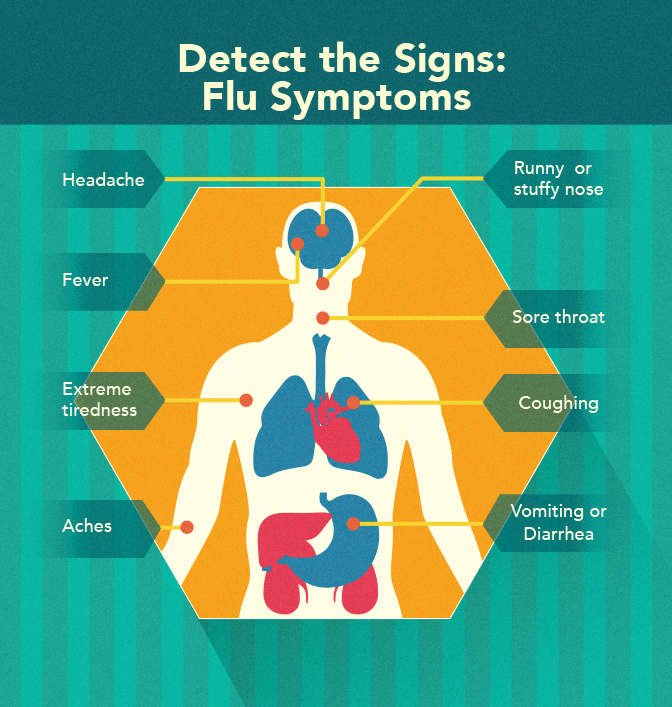 |
| Courtesy www.fix.com |
Now we have an idea of what the flu virus is, and how it affects us, let's have a look at tactics we all can use to help reduce our risk of flu infection.
268 Flu Season Tactics
- Those of us perceived as insensitive for staying away are actually on to something. Less contact with infected persons will obviously mean reduced risk of infection. As a result, if possible this is a relevant plan of action.
If you are caring for someone at home who has the flu be sure not to share eating utensils, and dishes without washing them carefully first. Keep their personal items separate in the home.
Try your best to also disinfect surfaces that are often touched by your sick loved one.
 |
| Courtesy www.webmd.com |
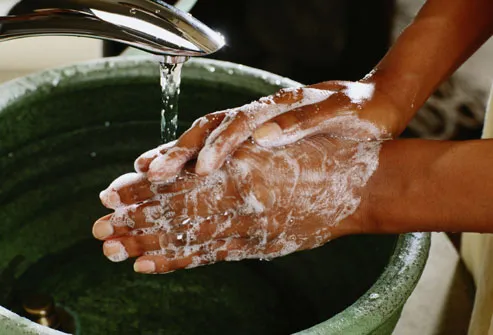
- Wash your hands often with soap and water for at least 20 seconds. If you are not able to at least have on hand an alcohol based hand sanitizer. Be sure your hands are clean before and after meals, in public areas and restrooms, after touching possibly contaminated surface.
- Avoid touching your face. This is the easiest way to contaminate yourself with the virus.
- Exercise. Exercise actually helps to raise the level of your immune system and ward off infection.
- Health Eating Habits. Remember food is fuel, you can either use it to help your body by boosting your immune system or harm it by feeding it empty calories. Eating a nutritious, balanced diet is key.
- Keep hydrated. Water aids the body in resisting infection.
- Keep your stress levels in check. Stress can weaken your immune system, thus making you more vulnerable to infection.
But what if you are already infected?
Well, here are some rules for you

For those of us who are sick or have children who are sick...and know it...sharing in this case is not equivalent to caring.
- Kindly. Stay at home. Kindly. Stay away from work or school if you are sick. Kindly. Keep your child or children isolated from other children as much as you can. This is not only to ensure the efficiency of body's healing process, but for the good of others in our community. This is caring in action.The flu can be spread via droplets in the air one day before symptoms show, and up to 5 to 7 days after symptoms come about.
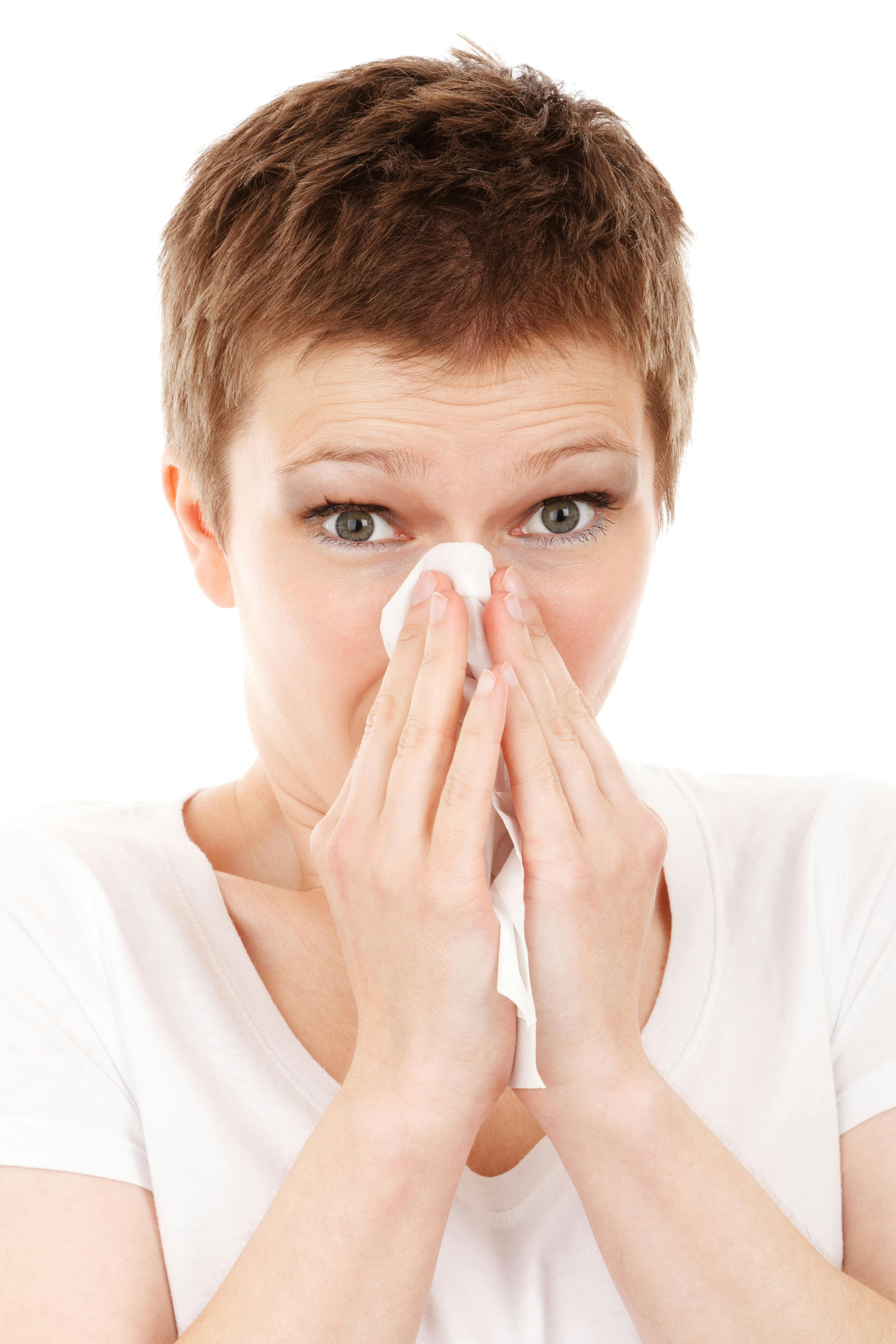
- When coughing or sneezing cover your nose and mouth with a tissue. You should also sneeze or cough into your arm as opposed to your hand. Remember also to dispose of your used tissue paper.
- Drink lots of fluids, to prevent dehydration. Preferably water and vitamin C rich liquids.
- Eat easy to digest meals, like warm chicken soups, or vegetable broths.
- REST. Give your body time to overcome the process.
- Keep fever medication on hand and a trusty thermometer.
- If you feel unsure how to handle your symptoms, or if you feel that you or a loved one is getting worse, consult your health care provider immediately.
Most of these suggestion are based on lifestyle modifications, as in Antigua & Barbuda many Wadadlians choose to let the viral illness run its course with symptomatic care, however, when doing so please keep these rules in mind, especially the last one, as the flu like any other illness can have complications.

I hope this gave you some perspective about the flu. If you want to read about how your body warns you your flu may be becoming complication, check out this post on Flu Complication Warning Signs. Meanwhile stay safe and stay #wadadlianstrong.
Blessings to you and yours.

© 2018
