Pancreas and its Hormones. Sugar Control.


Have you ever wondered about what this "insulin thing" everyone talks about, in reference to Diabetes is?
Many of you may think of medication, when you hear insulin...which is good, because it is an important medication used to control diabetes; however, it is so much more...

Insulin is one of many important hormones in our body, it helps to regulate blood sugar levels and is made in an organ known as the pancreas.

What is the Pancreas?


This is a flat organ located near the small intestine that measures around 12 x 15cm. It might interest you to know it has a head, a body and a tail.


The pancreas is made up of different types of cells that secrete various hormones, we'll be focusing on two of these hormones today in order to understand how the pancreas helps to control your sugar.

  • The A Cells/Alpha cells of the pancreas secrete a hormone called Glucagon.


  • The B Cells/Beta cells of the pancreas secrete the hormone Insulin.


Think of the pancreas as a control centre, its (A)Alpha and (B) Beta cells go into action, when the sugar levels in your body is too low or too high. 

 GLUCAGON, INSULIN AND SUGAR CONTROL


 Let's consider how glucagon, the alpha/a cell hormone functions.


When your blood sugar is low, the pancreas begins to secrete glucagon from its alpha/a cells.

This state of low blood sugar is known as hypoglycaemia (hypo=under) (glyc=sweet)  (aemia=blood).
 Literally, undersweet blood. Imagine that, eh? :)

Back to Glucagon.

After being secreted glucagon's job is to go to another organ in the body, that we associate with alcohol...the liver.

Glucagon helps the liver to make glucose and release it into the bloodstream, as this happens the blood sugar level rises.

When the sugar level in the blood is high enough, this triggers glucagon to halt its work.

The takeaway point?  

Glucagon is a hormone that is secreted by the A/Alpha cells of the pancreas that raises blood sugar when it is low.


But what about the ever popular insulin?
Well insulin, as mentioned earlier is secreted by the beta/b cells of the pancreas, goes into action when your sugar level becomes too high. This state of high blood sugar is known as hyperglycaemia .

Tell me, if hypoglycaemia is undersweet blood, what do you think hyperglycaemia is?

Hyperglycaemia  is made up of (hyper=over), (glyc=sweet), (aemia=blood). Oversweet blood. Hyperglycaemia is just a more complex word to say this.

Let's talk about how insulin functions.

 
 Your blood sugar is high, and the beta/b cells of the pancreas start to secrete insulin.

The simple version is that insulin's job is to act on your body's cells helping them to increase their absorption of the excess sugar that is in your blood stream.

Once inside your body's cells, glucose is made into more complex substances for storage.

With glucose entering the cells, and being stored, your blood sugar level's fall.
When low enough, insulin's work is halted .

 Of course if the sugar level falls too low, glucagon is released once more to do its part.

The takeaway point?  

Insulin is a hormone released by the Beta/B cells of the pancreas that lowers the blood sugar when it is high.


This, my dears is how the pancreas controls your sugar through its hormones, insulin and glucagon.
Do you know how Diabetes is defined? Click here to find out more...

Remember to share the information you learn with your loved ones, and friends.
Visit our official facebook page and show some love with a thumbs up.
Blessings to you and yours.


©November 2015


Dealing with Diabetes. Part I. Definition. Classification.

Today we will start a series on Diabetes, better known to Antiguans & Barbudans as simply Shugah
These topics coincide with November being the month for Diabetes awareness.


First of all, do you understand what is meant by diabetes?

When you go to the hospital or visit your doctor you may hear the term Diabetes Mellitus.
Here's a super short history:


I'll just let that last line sink in for a moment...

courtesy www.lewisliveshere.com


Definition of Diabetes Mellitus

Diabetes Mellitus is a term representative of a range of symptoms and signs that stem from an increased level of sugar in the blood; this high sugar content is caused by either a total depletion of the body's insulin, or a significant decrease of the body's insulin compared to what is considered normal.

A mouthful really, but now you know what shugah really is in its simplest form.
Let's learn a bit about how its classified.
The bare essentials of course.

Diabetes Mellitus can come about under different circumstances in different people.
Here is a brief overview of a classification based on three groups.
  • The Primary Group
  • The Other (Specific Types)Group
  • The Gestational Group
 

PRIMARY

 This is one of, if not the most popular groups that many people know about. Maybe not particularly grouped like this, but by its parts. The primary group is made up of:
  1. Type 1 Diabetes Mellitus or Insulin Dependent Diabetes Mellitus
  2. Type 2 Diabetes Mellitus or Non-Insulin Dependent Diabetes Mellitus
N.B.
Diabetes Mellitus type 1 is also known as Juvenile Diabetes, since it usually is found in young adults and children. 

 OTHER

 This group basically encloses many other factors that directly cause Diabetes Mellitus. Examples of these are the following:


  • Certain medications,for example corticosteroids.
  • Pancreatic Diseases
  • Increase of the body's production of hormones that influence a decrease in insulin production.
  • Certain Genetic Syndromes, for example Down's Syndrome.

Last but not least, another group that is well known to Wadadlian's would be the...

GESTATIONAL

courtesy  www.about.com


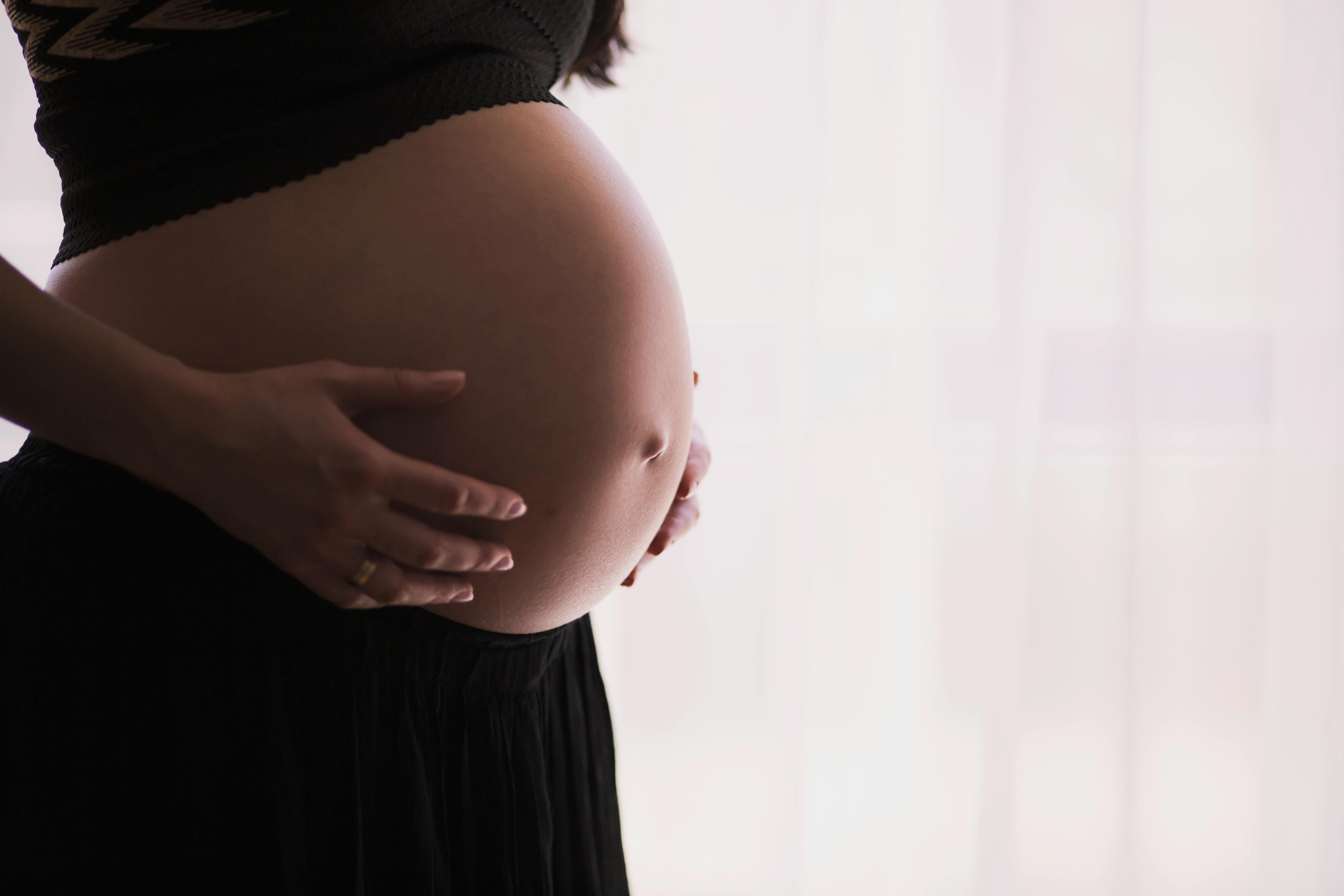
 During pregnancy there is a vast amount hormonal changes occur, for some women, they become less responsive to insulin, and this causes an increase in blood sugar that can either end after their baby is born or continue on throughout their lives.


 courtesy healthline.com

There you have it. Diabetes Mellitus defined and classified. 
If you are interested in learning about how your body controls the sugar levels in the blood, click here.
Next up you'll learn about the symptoms and signs.
Stay #wadadlianstrong
Blessings to you and yours,


©November 2015



Yes. Men Can Suffer From Breast Cancer Too.

                                     images courtesy skinandweight.com & wickedroman.wordpress.com


Breast Cancer is usually associated with women, and for good reason as the disease is most common in women, also the word breast itself is synonymous to women, their fertility and sexuality.


However...though rare in comparison to female cases, male breast cancer does exist.
According to the United States 2015 breast cancer statistics 2,350 new cases of invasive breast cancer are expected to be diagnosed in men in 2015, while around 440 men will die from the disease.


So how is it possible for men to get breast cancer, when men aren't considered to have breasts as women do?

It's simply because men do have breasts just like women. More accurately, breast tissue.

Before puberty both sexes have a small amount of breast tissue, however, after puberty the female hormone from the ovaries cause the breast tissue in girls to grow progressively while the enter into womanhood, while boys grow into men with non-functioning breast tissue.

While male breast cancer is still being researched, there are risk factors that every man should consider.


RISK FACTORS OF MALE BREAST CANCER

  • Age

courtsy healthymagazine.com
Just like women, men have an increased risk of breast cancer as their age increases. Breast cancer in men is associated with ages 68 to 71.

  • Family History and Genetics


Men who have had family members who have suffered from breast cancer are at an increased risk of developing the disease. Especially if there are men in the family that have had breast cancer. According to the American Cancer society 1 of 5 men with breast cancer have a close female or male relative with the disease.

Men with genetic mutation are also at risk. Specifically those such as BRCA1 and BRCA2.

  • Obesity


courtesy gunnercooke.com

Men that suffer from obesity are also at risk for breast cancer, as obese men may carry higher levels of oestrogen.

  • Alcohol Use
courtesy forbes.com

Men who drink heavily also develop an increased risk for breast cancer due to harmful effects on the liver, a damaged liver can lower male hormone levels increasing their susceptibility.


  • Liver Disease

For the same reasons mentioned above, liver disease can increase a man's risk of breast cancer.

  • Testicle Surgery or Testicle Disease 
courtesy stpeterurology.com

Men who have had a testicle removed, or have suffered from inflammation of the testicles also develop a risk of suffering from breast cancer.


Read about more risk factors by clicking on the links below:


PECS ARE THERE FOR MORE THAN ADMIRING


Men are encouraged to the the male breast self-examination, especially if they have an increased risk of having breast cancer.

To see a video of the male breast self examination click the picture below:

http://breastcancer.about.com/video/What-are-Horizontal-Techniques-for-Male-Breast-Exams.htm

 courtesy skatelogforum.com

For more information on the Male Self Breast Examination click here.


It is advised that men should check their pecs for any lumps, the signs of breast cancer in women are similar to that of men. For more details click here.

SIGNS TO LOOK OUT FOR


PROBLEMS WITH EARLY DETECTION IN MALES


First of all men tend to not check their pecs for lumps this is one of the contributing factors to decreased detection of the early stages of breast cancer in men, also quite important is the fact that men are less likely to visit a doctor even if they may have a suspicion that something may be wrong...as a result male breast cancer is detected usually in its late stages where survival rates are significantly less.


The point of this post is to make everyone, especially men, keenly aware that breast cancer isn't just a woman's disease, there are people who have lost their fathers, brothers and uncles to breast cancer.

Remember to share the risk factors with the men in your life, and if they have an increased risk ensure that they get checked.

Fellas, if you've found a lump or have  any of the warning signs mentioned above, don't ignore it, early detection is key in breast cancer survival.


Today is the last day in October, but breast cancer awareness doesn't end with the month. Keep reading and sharing and educating yourself and your loved ones.

Blessings to you and yours
#wadadlianstrong


 © October 2015

Breast Cancer Awareness. Risk Factors


What are the warning signs of breast cancer?
Do you remember? I f you don't check out the last post here.

I believe we all know someone who is suffering from, suffered from, or passed away because of this disease, it maybe a friend or a friend of a friend, or for some of us, much closer to home...

Have you ever wondered what factors may make some persons more vulnerable to breast cancer?
Well, you're about to find out, since this post is all about the risk factors of breast cancer.


RISK FACTORS OF BREAST CANCER


To make these risk factors easier to understand let's sort them into those you cannot control, and those risk factors that are related to your lifestyle and for the most part are controllable.

RISK FACTORS YOU CANNOT CONTROL

  • Age


There is an increased risk of developing breast cancer as your age increases. According to the American Cancer Society, two in three women over 55 years have been found to have invasive breast cancer.


  • Sex


Just being a female is a risk factor. Females tend to higher levels of oestrogen and progesterone which contribute to cancerous cell growth.

  • Age of First and Last Menstruation

 Women who menstruate earlier and start menopause later are at risk. To be more specific, women who began their first period before the age of twelve and women who begin menopause after age fifty-five or later are at risk.
  •   Family History and Family Genetics
BEAUTIFUL BLACK WOMEN - AGING WITH GRACE:  
 courtesy curlynikki.com

Chances are your risk of having breast cancer is higher, if other persons in your family also have had or have the disease. If your mother or sister has had breast cancer your risk is doubled, if both have had it your risk increases.

There are also gene mutations that also play a role in the manifestation of breast cancer, recently the most popularized has been the BRCA gene which is most commonly linked to person with Eastern European Jewish heritage, but there are many others.


  • Ethnicity and Race 

     
    Faith by Annelie Solis
Women of African descent are at a higher risk for breast cancer, along with Caucasian women when compared to women of Asian descent.
There are many studies as far as race and ethnicity is concerned in America, but as far as our region is concerned not as many. However, I did find a study by the Barbados National Cancer Study Group in 2009 where the authors explain:
"Comparisons of breast cancer incidence across the African diaspora demonstrate a gradient, with rates being lowest in West Africa, higher in the Caribbean and highest among African-Americans."
It would be excellent to have a study comoparing the incidence in not only Afro-Caribbean peoples but those of Indian, Chinese, Syrians, and European descent in our region.


  • Breast Cancer History


If you are a breast cancer survivor, you are still at risk for re-developing breast cancer in another part of the affected breast or in the other breast. Always keep following up with your health care professional, and continue self-checks. Never forget that early detection increases survival rates.


RISK FACTORS RELATED TO LIFESTYLE


  • Alcohol Use


Alcohol use is directly linked with breast cancer risk. Increased consumption increases risk. Some studies suggest it may be related to the increase oestrogen levels that alcohol causes in the body. Read more here.

  • Birth Control Use


courtesy verwell.com

Women who use birth control pills have been proven to have an increased risk of breast cancer, however this risk decreases when its use is discontinued. All women who plan on using birth control pills as a contraceptive method ought to have a detailed discussion with their health care providers about the risks relating to breast cancer.

  • Age of Childbirth


Women who give birth after the age of 30 have increased risk of developing breast cancer as opposed to women who give birth at an earlier age. However in certain instances being pregnant can increase the risk of breast cancer.

  • Breast feeding

breast-feeding-ftr 
courtesy rmchildren.org

Breastfeeding has been proven to reduce the risk of breast cancer by 5 to 10 percent, especially in women who continue to do so between 1- 2 years. Read more here.

  • Physical Activity


 courtesy playbuzz.com

Physical activity is now being shown to play a factor in decreasing the risk of breast cancer. While persons with sedentary lifestyles, and persons who suffer from obesity have increased risk of developing the disease.


courtesy pinterest.com


You must remember, that it is possible for a person to have one or more of these risk factors without ever confronting this disease, whereas another person may have little or no risk factors, and develop breast cancer. Risk factors are not a death sentence, but rather indicators of the potential one has to present with the disease.


Read other articles about breast cancer risk factors below:


*Remember  if you haven't had a mammogram and you are age 40 and above it would be wise to do so. Of course if you have a strong presence of breast cancer in your family it would be even wiser to begin screening earlier.*

What about men though? 
When addressing breast cancer we usually focus on women, but the fact of the matter is... men also suffer from the disease.

Look out for the next post where we'll talk a bit about men and breast cancer as a special topic.

Remember to share this with a friend or family member who may not know these risk factors.
Stay #wadadlianstrong
Blessings to you and yours,

 © October 2015

Breast Cancer Warning Signs. Risk Factors

courtesy primadonna.eu


Every year in October, the nations of the world come together via different events using popular platforms such as social media  to shed an even brighter spotlight on a disease that has taken and still continue to take unique women from our lives.

Breast cancer has been around since the times of  Ancient Egypt and Greece, however it was in the early 90's that the pink ribbon emerged as a symbol of unrelenting revolt against a disease that had affected so many lives for so long.

At the centre of this fight, is not only growing areas of breast cancer research, but also the task of preventive measures that are geared toward educating communities everywhere about the signs of the disease to enable early detection.


BREAST CANCER WARNING SIGNS


  • The Dreaded Lump
Finding a lump in the breast one of the main, and terrifying factors that usually inspires a doctor visit, as its presence is greatly associated to breast cancer.

For many women the texture of their breast may already feel quite lumpy, this is ok, since the breast tissue under the skin has a lumpy texture.

Let's take a brief look at what the breast is made up of...


 courtesy www.soc.uscb.edu

N.B (Mammary glands is just a term used to describe the structures that produce milk.)

As you can see under the skin its not exactly smooth sailing, however, it is important that each woman is strongly aware of what her breast normally feels like. 

This way, if there is a particular lumpiness that is different from what is considered to be normal, one that may feel harder compared to the rest of your breast, your next stop should be to a doctor. Please note that it is also possible to find lumps under the arms.


It is important to mention here, that there are conditions such as cysts and fibroadenoma (non-cancerous tumours) that cause lumps in the breasts. Some women reading this now may have already suffered from these conditions. Some women may have had a non-cancerous lump in their breast for years. Despite this, if this lump changes in size and texture, or you find a new lump, do not assume it is just the same thing repeating itself. 

A new lump, can be a different lump, and an old lump, can become a different lump.

Remember, do not assume... an ounce of prevention is worth a pound of cure. 

 
  • Painful and Tender Breasts 
courtesy medicalnewstoday.com

To be quite frank, something as simple as a badly adjusted brassiere can cause breast pain for women. Tenderness and painful breasts can also be linked to other events, such as the menstrual cycle, the use of birth control pills. Also, women who are very well endowed may also have breast pain that is associated to back and neck pain. 
However... although pain is not as noticeable as a lump or as frequent as a sign of breast cancer, it ought not be taken for granted, especially when:
  1.  It comes outside of the menstrual cycle
  2. Continues through and after your period
  3. It is a new pain located in one particular spot that isn't relieved by anything.
  4. Is associated with a lump and the other signs that follow.


  •  Changes in Breast Size, and Shape
Many women have asymmetrical breasts. This basically means one breast may be slightly larger than the other. Warning signals ought to sound off if you notice that one breast may be increasing in size for no apparent reason, or if you find the same breast may have a different shape, and seem swollen.
The skin covering the breast tissue also has its own way of showing you that something more sinister may be happening underneath it. Take into consideration:
  1. Darkening of the skin
  2. Dimpling/pitting of the skin, similar to that of an orange. Click here
  3. Itchiness, and redness, or the appearance of an unexplainable rash 
  4. The skin of the breast in question may be uncharacteristically warmer than that of its twin.  

  •  Never forget the Nipples
The breast nipples as well as its surrounding area, known as the areola, can also give signs that may indicate breast cancer. 

  • You may notice a discharge from the nipple that drains either by itself or when you apply pressure. This discharge may be clear, yellow, slightly bloody, or even brownish. 
  • The nipple may seem to be a bit off the centre, as if being pulled downwards. This is known as retraction.  

                                                       courtesy personalhealthcart.com
 
  • There are some women who are born with inverted nipples, but if you aren't one of these women and your nipple has progressively become inverted, this is a very worrying sign that may indicate breast cancer.

courtesy www.plasticsurgery4cyprus.com

  • Nipples themselves may change shape, or you may notice that your nipples start to itch and become flaky and develop a rash or sore that is difficult to heal.

All these signs are even moreso telling as they usually occur only in one breast, that becomes a quite uncomfortable comparison to the other that does not change. 

At times, even though presenting with one, or more of these signs, there are women who still ignore or deny the possibility of breast cancer. 

In a way this is understandable as fear of discovering something that is more than unpleasant... to say the least is at times frightening and the only way we think we can protect ourselves from facing this fear is denying that a problem exists.

Sadly, ignoring the problem, does not make it go away, but only worsens the outcome. 
This is why education about early detection is one of the hallmarks of breast cancer awareness.

Lets Summarize...

 
courtesy cancerworld.info

If you have any of these signs. Go to the nearest doctor. Refuse to wait any longer, and take control of the life given to you. Early detection means a better outcome.

Please click to see the ---> 5 easy steps to the breast self examination.

The video below is a very informative animation of how a breast self exam is also done.
courtesy health central youtube channel

Check out  supplementary reading from the Mayo Clinic.

Wear your pink ribbon proudly. Share the information. Stay Aware.
Do you know the risk factors of breast cancer? Check out the upcoming post.
Blessings to you and yours,
#wadadlianstrong,


 © October 2015