





 |
| Courtesy: i.pinimg.com |
Knowledge about the Risk Factors & Causes of Chronic Kidney Disease provides a framework for this discussion about prevention. If you want to read more about risk factors or causes of chronic kidney disease click here.
Let's recap the risk factors for chronic kidney disease.

Within the risk factors, we find the ever present pressha and shugah, which also doubles as causes for kidney function decline in chronic kidney disease. You may be thinking about what signs and symptoms you should look for in order to recognise this health issue in our island...read on.
Symptoms & Signs of Chronic Kidney Disease
Be aware Wadadlians. This is a quiet disease.
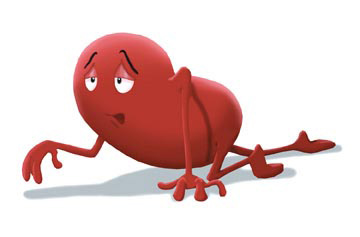
The issue with CKD is that it does not give any symptoms or signs until it has progressed towards severe kidney damage. This means while your kidney declines you may feel fine.
Kindly bear this in mind as we look at some of the symptoms and signs below.
The issue with CKD is that it does not give any symptoms or signs until it has progressed towards severe kidney damage. This means while your kidney declines you may feel fine.
Kindly bear this in mind as we look at some of the symptoms and signs below.
 |
| Courtesy: beaumont.ie |
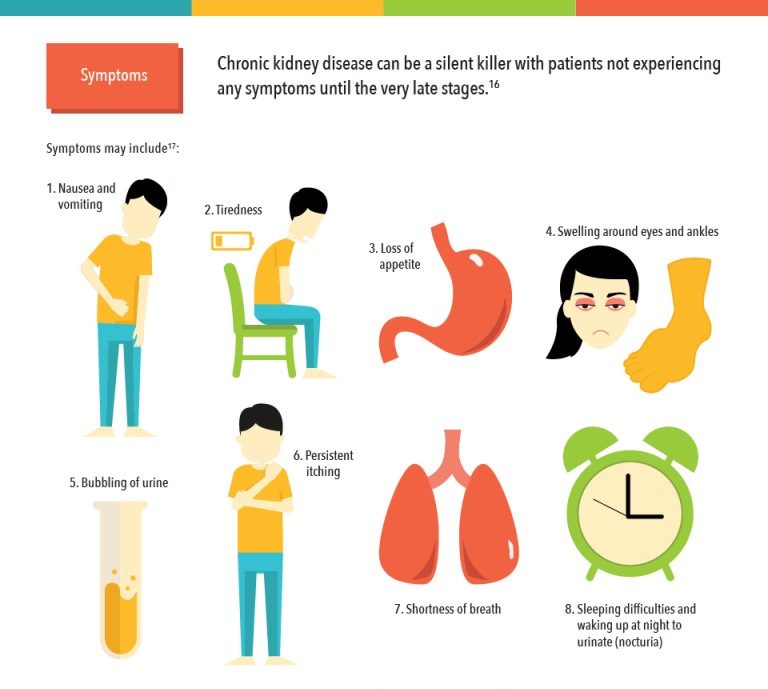
- Difficulty controlling an already high blood pressure
- The amount of times you urinate in a day can change
- Your urine may change in appearance, it might seem foamy or frothy, the colour may seem pinkish, cloudy, darker.
- You may notice blood in your urine
- Nausea and Vomiting
- Tiredness
- Weakness
- Problems Sleeping
- Problems Concentrating
- Headaches
- Back pain
- Changes in the taste in your mouth
- Changes in how your breath smells
- You might experience consistent itchiness
- You might feel like you toes and hands are 'sleeping'. A pins and needle sensation
- Your legs and face may start to get puffy, especially around your eyes
- You may notice that your muscles twitch, and cramp
- You may experience shortness of breath
 |
| Courtesy: timeslifestyle.net |
In the initial stages of chronic kidney disease, silence is the norm. To engage in prevention you must now focus on the risk factors you've now read and seen .
If you have some of the risk factors, begin there. Lifestyle changes must begin.
Prevention - Chronic Kidney Disease
 |
| Courtesy: techwyse.com |
Let's analyse prevention by the risk factors and/causes.
- MANAGING UNDERLYING DISEASES
If you suffer from any disease (most commonly pressha and shugah) that can cause CKD, it is important that you do your best, in conjunction with your health care provider to manage it.
Ask your doctor about your kidney health. Enquire about kidney function tests. You are your best advocate.
In Antigua and Barbuda, there are public health screenings, public lectures, information is at your disposable especially when it comes to shugah and pressha. Controlling these two conditions affects the appearance of CKD in your life.
If you don't yet suffer from high blood pressure (or you are borderline) and are interested in prevention, you can click to read our guest post on: Preventing High Blood Pressure.
- NYAMINGS...
Hey, food is always a sore spot, eh...but its time we seriously consider what we put inside our bodies.
The food we eat is medicine.... laaaannng buhfoa arwe go ah any dactah shap.
Real talk.
Food is medicine and we all at some point have taken it for granted.
For chronic kidney disease prevention the following are changes you can implement in your diet:
- Reduce intake of soda. Yes. Instead of buying punch soda with yuh lunch, bring limade to work, or better yet (to quote every Antiguan and Barbudan/Caribbean mother)..."Jink watah". On a more serious note though, most sodas are empty calories, and don't contribute any type of nutrition to your body. Also some sodas contain an element known as phosphorus which can hurt the kidneys.
- Reduce the amount of sugar in your diet. Sodas are a good start, but what about those of us that can go through packs of candy in one sitting, or what about those of us who binge eat buckets of kidney mango when the season is on. Rome was not built in a day, but still success is possible by reducing your sugar intake a little this week, and a little more the next. Your body will thank you.
- Decrease processed food intake. This one is a biggie for Wadadlians. There are times when the likkle soda-bix and vienna sausage is a quick fix. Let's be real. The issue is however, processed foods usually contain a high amount of salt, and phosphorus, and both are damaging to the kidneys.
- Avoid fatty foods. Foods that are abundant in saturated fat and/or trans fats can cause cholesterol to build up in the blood vessels, over time this can lead to blockages. Our kidneys depend on blood flow in order to do its work, and to sustain itself, hence an easy flow pathway is important.
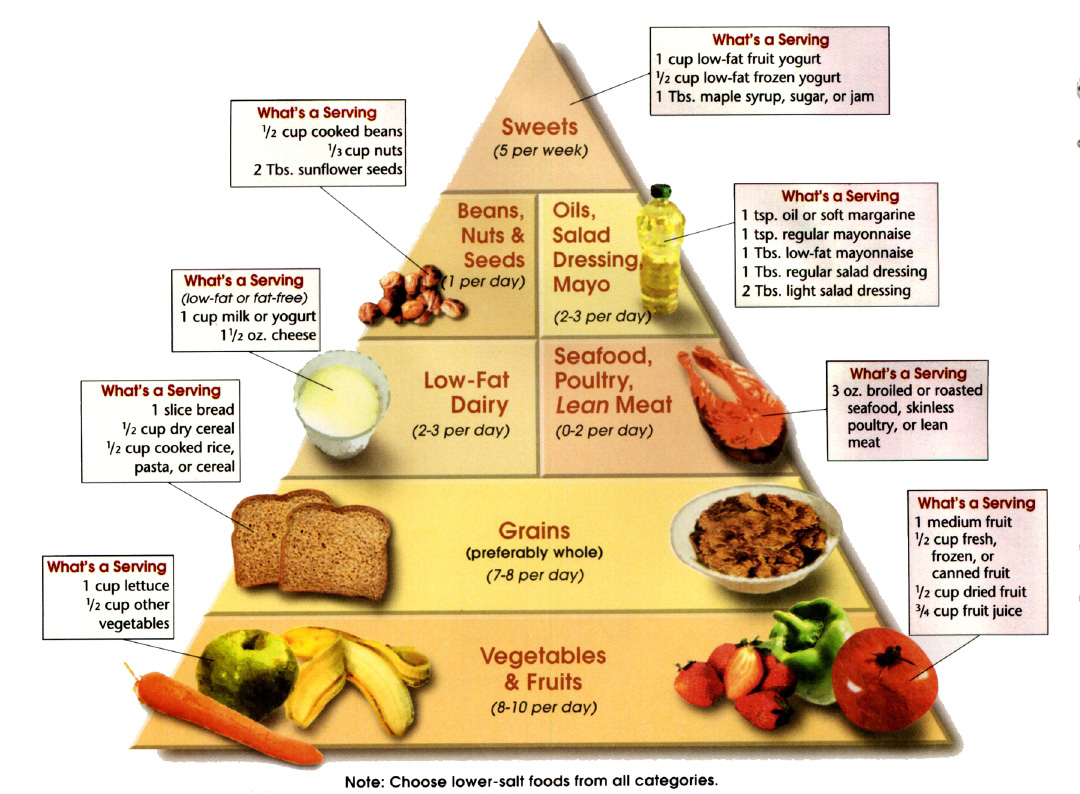
The DASH diet that has been recommended for hypertension is one that fits most lifestyles and is used by persons who may want to change their dietary habits.
 |
| Courtesy: paleoworks.wordpress.com |
For those of you reading who are hypertensive, and even if you are not, here is an article that deals with hypertension prevention and the dash diet.
- SMOKING, SMOKING
Smoking is quite frankly a risk factor for countless amounts of diseases, because of the carcinogens it produces in the body. Due to the nicotine in such products, it is addictive, and quitting, may be difficult to do. However, if you are a smoker, do consider attempting to quit with a support system that can encourage you.
- EXERCISE
Exercise activity is essential for health. Make time for it. It can be simple as doing a few select exercises in your house when you wake up, and before you go to bed. Not everyone will be able to take morning or late afternoon walks. Also, especially for exercise always take into consideration what you genuinely enjoy doing. Exercise does not mean having to take a gym membership. It may simply be setting aside time to play rounders or cricket outside with your family, or even taking a bike ride through your village, or going into your garden to shovel and hoe. All you need is 20 minutes of physical activity at least 3 or 4 times per week.
Make an investment in your health, most of these measures don't cost much, except for a bit of will power and commitment to make lifestyle changes. This is why some of the more well-known diseases in our community are known as preventable disease.
Indeed an ounce of prevention is worth a pound of cure.
Indeed an ounce of prevention is worth a pound of cure.
If you've learnt something new from our posts, show us support and like our facebook page.
Share what you've learnt with your friends and loved ones.
Knowledge changes lives.
Knowledge changes lives.
Blessings to you and yours,
Stay #wadadlianstrong


©March 2018
