Dealing with Diabetes. Common Complications of DM. Part 2

courtesy www.juvenon.com

In the last post you were introduced to some common complications of Diabetes Mellitus . Besides the ones covered, there are others that are common. These complications affect not only your vision but also your sexual health.

If you are recently joining in on this post series but are unsure about what Diabetes is, check out our previous posts about the definition of diabetes, its risk factors, and its symptoms and signs.

Onward we go.

Common Complications of Diabetes Mellitus

Diabetic Retinopathy

If you remember the last post, we spoke on how the ending -pathy means disease or disorder. In this case the disorder or disease is of the retina. 
The retina is a structure at the back of the eye that is sensitive to light. Diabetes causes damage to the blood vessel that nourish the retina, and as a result can lead to vision loss. Generally the longer a person suffers from diabetes, and has uncontrolled blood sugars, the more likely they are to develop diabetic retinopathy.


courtesy stantonoptical.com


Symptoms include:
  • Blurred Vision
  • Vision that comes and goes
  • Seeing dark spots or strings floating
  • Seeing empty areas within your vision
  • Vision Loss


Hyperglycaemia


courtesy eyecandoit.org


This complication would seem to be a bit obvious to some of you who are reading, since Diabetes Mellitus in the first place is a result of high blood sugars or hyperglycaemia. If blood sugars are not controlled adequately, be that by lifestyle changes or medication, hypergleycaemia will prevail.

On the other hand, another complication of Diabetes Mellitus is....

Hypoglycaemia

courtesy 2.bp.blogspot.com


Interestingly enough, low blood sugar is also complication of diabetes. This is more treatment/lifestyle related, and can occur with persons using tablet, and/or insulin combined with poor dietary structure most commonly. For example hypoglycaemia can be the result of the following:
  • Skipping meals for whatever reason, or not eating adequately while maintaining the same dose of medication prescribed.
  • Having been prescribed a higher dose of medication than needed for individual needs.
Usually hypoglycaemia is associated with insulin users.

While some symptoms can overlap, here is a general symptom overview of both hyper and hypoglycaemia.


Adapted from www.dailyhealthpost.com


Last but by no means least:

Sexual Dysfunction


Most men and women with diabetes are able to have normal sexual lives, however, for some people diabetes can contribute to sexual dysfunction. 

courtesy www.medicalnewstoday.com
  • Erectile Dysfunction

Among men, diabetes can contribute to erectile dysfunction. Erectile dysfunction is defined by the inability to achieve or maintain an erection that lasts during sexual intercourse. It is known more popularly as a disorder stemming from psychological factors, however,  diabetes mellitus  via its neuropathic complications as we discussed in Common Complications of DM. Part 1 can also cause erectile dysfunction. Cardiovascular disease stemming from diabetes can also play a role in this disorder.


courtesty www.medfactor.es

  • Women, Diabetes and Sexual Dysfunction
Women with diabetes can also experience certain elements of sexual dysfunction.  These include:

Decreased libido
Vaginal dryness
Reduced ability to orgasm
Painful intercourse


If you felt you learned something about common complications of Diabetes, from Part 1 or this post, Part 2, be sure to like our facebook page, and more importantly share this information with your loved ones.

That's all for now. 
Blessings to you and yours.


©July 2018


Dealing with Diabetes. Common Complications of DM. Part 1


Very often, I refer to Diabetes and Hypertension as gateway diseases. Here's why.
Picture a long wall with just one door.

Courtesy: yescandoproperty.com

That door is a gateway, and it represents in this case, Diabetes Mellitus.
When you open that door, this is what you get...

Courtesy: aceandrich.com


A hall way with multiple doors that lead to other illnesses...conditions that are complications of diabetes. (This analogy also applies to Hypertension as well...)

In this first post of two we'll be considering some of the more common doors within that hallway. Let's have a look.

Common Complications of Diabetes Mellitus


Diabetic Ketoacidosis

Lamentably, sometimes Diabetes Mellitus can first introduce itself in person's life via a complication of the disease. Diabetic Ketoacidosis also known as DKA is frequently associated with Diabetes type 1. With a dangerous mixture of consistently high levels of blood sugars, and a lack of insulin to regulate those levels, the body begins to produce high levels of blood acids known as ketones, this in turn contributes to the symptoms listed below:


Diabetic Foot

Many of you reading already know a bit about this common complication of Diabetes Mellitus. Diabetic Foot is actually a complication...of a complication of Diabetic Mellitus known as Diabetic Peripheral Neuropathy.
I'm sure some of us can think of common cases of diabetic foot within our own families/villages/parishes etc. Perhaps someone with a known/or unknown history of diabetes mellitus stepped on a sharp object, and then realized the wound would not heal, or had a small wound or ulcer on a toe, that just never got better. These wounds are many times painless.


                                                                                                               courtesy www.solfoot.com


Now, from here on out, you'll be seeing some conditions that end in '-pathy'. Don't be alarmed or feel confused about it. In the following complications, the ending '-pathy' is used as a way of saying disorder or disease.

Diabetic Peripheral Neuropathy

The name sounds complicated, but its simply refers to a disorder of the nerves, peripheral referring to the ends of our bodies or our limbs. In summary it can be simply understood as  disorder of the nerves related to the limbs.

It is one of the complications that lead to Diabetic Foot. In Diabetic Peripheral Neuropathy high blood sugars damage nerves throughout the body, most often those of the lower limbs and feet are affected. It happens slowly over a long period of time, as a result a person may not know they have diabetes till encountering the symptoms of Diabetic Peripheral Neuropathy.

                                 courtesy www.pinterest.com

Side note :

This is the reason why one ought not discount or discredit that friend or family member with a diabetic foot who says something like:

 "Honestly me nuh min feel wen ma get dig jack, ma jus see dah cut dey"
 or 
"Ma nuhmin eb'n realise dat da grung min so hot man"

This is highly possible as painful and thermal sensation are decreased in Diabetic Neuropathy.


 Peripheral Vascular Disease


Peripheral vascular disease together with Diabetic Peripheral Neuropathy contribute to Diabetic Foot.
As its name suggests this is a condition that affects the limbs however in this case it is the blood vessels. High amounts of sugar in blood contributes to blood vessel narrowing.
As a result of narrowed blood vessels, the blood cannot adequately nourish parts of the body that it. As it relates to Diabetic Foot, reduced blood supply to the feet, can cause cells and tissues to die due to lack of nourishment.

  courtesy www.podiatrytoday.com


Heart Attack and Stroke

Now let's link what you just read to understanding the relationship between Diabetes and Heart Attack and Stroke. Usually when we think about these two conditions, we immediately think high blood pressure. However, high glucose levels also affect all other blood vessels in the body, it is not just limited to the limbs. Therefore, since all other blood vessels are affected by high sugar concentration in the blood, they will also experience narrowing, and this is the reason why diabetics are at risk for Heart Attacks and Strokes.

  courtesy www.newhealthadvisor.com
Side note :
Diabetes just like Hypertension is a systemic disease, meaning it affects all systems, therefore not only the limbs, heart and brain are affected, but also other major organs like the kidneys.

Diabetic Nephropathy

Diabetic Nephropathy is just the same as saying Diabetic Kidney Disease. The 'nephro-' is a prefix that simply means kidney. Diabetic Nephropathy is also a complication that progesses slowly over time, and its cause is also related to the narrowing of the blood vessels as we've discussed above.
The symptoms of Diabetic Nephropathy are not unlike those in Chronic Kidney Disease, read that article here.


courtesy www.workouttrends.com
There you have it.

In the next post we'll speak on complications of diabetes related to sexual health and more, so be on the look out for Common Complications of DM-Part 2.


Now that you have an understanding of some of the common complications of Diabetes Mellitus, spread the word, teach someone something they didn't know about shugah.
It's all a part of building our Antigua & Barbuda #wadadlianstrong.

Would you like to learn even more about Diabetes Mellitus? Check out the Related Posts just below my signature.

Bye for now, and blessings to you and yours.


©July 2018

CKD and You - Symptoms, Signs & Prevention

Courtesy: i.pinimg.com

Knowledge about the Risk Factors & Causes of Chronic Kidney Disease provides a framework for this discussion about prevention. If you want to read more about risk factors or causes of chronic kidney disease click here.

Let's recap the risk factors for chronic kidney disease.


Within the risk factors, we find the ever present pressha and shugah, which also doubles as causes for kidney function decline in chronic kidney disease. You may be thinking about what signs and symptoms you should look for in order to recognise this health issue in our island...read on.


Symptoms & Signs of Chronic Kidney Disease


Be aware Wadadlians. This is a quiet disease.
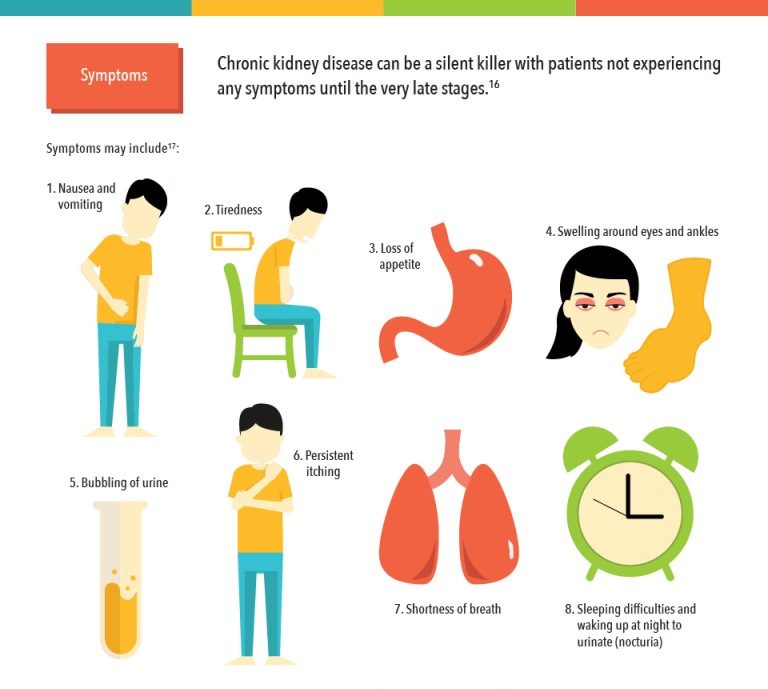
The issue with CKD is that it does not give any symptoms or signs until it has progressed towards severe kidney damage. This means while your kidney declines you may feel fine.
Kindly bear this in mind as we look at some of the symptoms and signs below.

Courtesy: beaumont.ie

  • Difficulty controlling an already high blood pressure
  • The amount of times you urinate in a day can change
  • Your urine may change in appearance, it might seem foamy or frothy, the colour may seem pinkish, cloudy, darker.
  • You may notice blood in your urine
  • Nausea and Vomiting
  • Tiredness 
  • Weakness
  • Problems Sleeping
  • Problems Concentrating
  • Headaches
  • Back pain
  • Changes in the taste in your mouth
  • Changes in how your breath smells
  • You might experience consistent itchiness
  • You might feel like you toes and hands are 'sleeping'. A pins and needle sensation
  • Your legs and face may start to get puffy, especially around your eyes
  • You may notice that your muscles twitch, and cramp
  • You may experience shortness of breath


Courtesy: timeslifestyle.net

In the initial stages of chronic kidney disease, silence is the norm. To engage in prevention you must now focus on the risk factors you've now read and seen .
If you have some of the risk factors, begin there.  Lifestyle changes must begin.

Prevention - Chronic Kidney Disease

Courtesy: techwyse.com

Let's analyse prevention by the risk factors and/causes.


  • MANAGING UNDERLYING DISEASES

If you suffer from any disease (most commonly pressha and shugah) that can cause CKD, it is important that you do your best, in conjunction with your health care provider to manage it.
Ask your doctor about your kidney health. Enquire about kidney function tests. You are your best advocate.

In Antigua and Barbuda, there are public health screenings, public lectures, information is at your disposable especially when it comes to shugah and pressha. Controlling these two conditions affects the appearance of CKD in your life.  
If you don't yet suffer from high blood pressure (or you are borderline) and are interested in prevention, you can click to read our guest post on: Preventing High Blood Pressure.


  • NYAMINGS...
Hey, food is always a sore spot, eh...but its time we seriously consider what we put inside our bodies.
The food we eat is medicine.... laaaannng buhfoa arwe go ah any dactah shap.
Real talk.
Food is medicine and we all at some point have taken it for granted. 
For chronic kidney disease prevention the following are changes you can implement in your diet:
  1. Reduce intake of soda. Yes. Instead of buying punch soda with yuh lunch, bring limade to work, or better yet (to quote every Antiguan and Barbudan/Caribbean mother)..."Jink watah".  On a more serious note though, most sodas are empty calories, and don't contribute any type of nutrition to your body. Also some sodas contain an element known as phosphorus which can hurt the kidneys.
  2. Reduce the amount of sugar in your diet.  Sodas are a good start, but what about those of us that can go through packs of candy in one sitting, or what about those of us who binge eat buckets of kidney mango when the season is on. Rome was not built in a day, but still success is possible by reducing your sugar intake a little this week, and a little more the next. Your body will thank you.
  3. Decrease processed food intake. This one is a biggie for Wadadlians. There are times when  the likkle soda-bix and vienna sausage is a quick fix. Let's be real. The issue is however, processed foods usually contain a high amount of salt, and phosphorus, and both are damaging to the kidneys. 
  4. Avoid fatty foods. Foods that are abundant in saturated fat and/or trans fats can cause cholesterol to build up in the blood vessels, over time this can lead to blockages. Our kidneys depend on blood flow in order to do its work, and to sustain itself, hence an easy flow pathway is important.
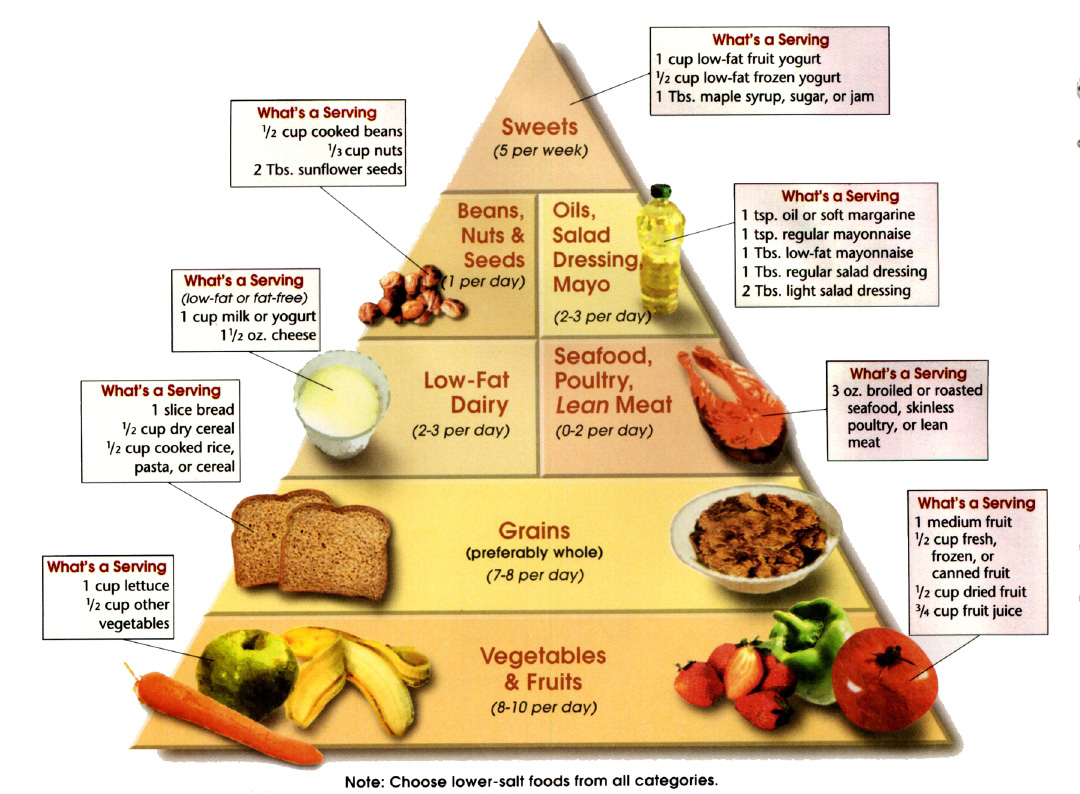
The DASH diet that has been recommended for hypertension is one that fits most lifestyles and is used by persons who may want to change their dietary habits.

Courtesy: paleoworks.wordpress.com

For those of you reading who are hypertensive, and even if you are not, here is an article that deals with hypertension prevention and the dash diet.


  • SMOKING, SMOKING
Smoking is quite frankly a risk factor for countless amounts of diseases, because of the carcinogens it produces in the body. Due to the nicotine in such products, it is addictive, and quitting, may be difficult to do. However, if you are a smoker, do consider attempting to quit with a support system that can encourage you.
  • EXERCISE
Exercise activity is essential for health.  Make time for it. It can be simple as doing a few select exercises in your house when you wake up, and before you go to bed. Not everyone will be able to take morning or late afternoon walks. Also, especially for exercise always take into consideration what you genuinely enjoy doing. Exercise does not mean having to take a gym membership. It may simply be setting aside time to play rounders or cricket outside with your family, or even taking a bike ride through your village, or going into your garden to shovel and hoe. All you need is 20 minutes of physical activity at least 3 or 4 times per week.


Make an investment in your health, most of these measures don't cost much, except for a bit of will power and commitment to make lifestyle changes. This is why some of the more well-known diseases in our community are known as preventable disease.

Indeed an ounce of prevention is worth a pound of cure.

If you've learnt something new from our posts, show us support and like our facebook page.
Share what you've learnt with your friends and loved ones.
Knowledge changes lives.
Blessings to you and yours,
Stay #wadadlianstrong


©March 2018


Chronic Kidney Disease (CKD) - Risk Factors & Causes


Worldwide and in Wadadli, non-communicable diseases are impacting our society. 

The average person can speak on pressha, shugah  because of varied community health programs in 268, and frankly, also because every tout monde, sam and baghai in our family and neighbourhoods suffer from these common diseases. Maybe even you, reading right now may suffer from hypertension, and diabetes. Along with these, there's another non-communicable disease that has been increasing its presence in Wadadli. Its known as CKD or Chronic Kidney Disease. 

In previous posts we've discussed what work the kidneys do, we've also discussed how the kidneys work, as well as their structure. If you haven't read these follow these links (Kidney Functions) (Kidney Structure)
Courtesy: timothykurek.com

What is Chronic Kidney Disease...?

It is nothing more than the loss of kidney function over time.
It sounds simple enough. However, taking into consideration the amount of work the kidneys do, this loss of function is a problematic situation.

How do you know if you are at risk for CKD? Let's have a look at some predisposing factors.

Courtesy: lifeofhopeproject.org

Risk Factors for Chronic Kidney Disease


  • Obesity (Body Mask Index of 30 and above, you can calculate yours here)
  • Smoking
  • High Cholesterol
  • Other Cardiovascular Diseases (blood vessels and heart)
  • Kidney structure abnormalities
  • Ethnicity (persons of African, Native American and Asian descent are more at risk)
  • Family History of CKD and other risk factors.
  • Age over 60 years

Take five seconds and just think about your family, your community, our Wadadli and Wa'Omoni... How many persons can you think of that has three or more of these risk factors?
Its sobering.

Interestingly some of these risk factors are also direct causes of Chronic Kidney Disease.


Causes of Chronic Kidney Disease


  • Diabetes 
  • Hypertension
  • Inflammation of the Kidney Structures (specifically those that deal with internal filtering and flow)
  • Polycystic Kidney Disease (Kidneys that have multiple cysts all over them)

Courtesy: 1.bp.blogspot.com
Courtesy: i.ytimg.com

  • Recurrent Kidney Infections ( women tend to suffer from this more than men do) 
Courtesy: exercisemenu.com
  • Prolonged Blockage of the Urinary System ( from an enlarged prostate, bladder or kidney stones, as well as certain cancers )
  • Systemic Lupus Erythomatosus (SLE)
  • Backflow of urine to kidneys (this is known as vesico-urethral reflux)

There you have it. Risk Factors and Causes of Chronic Kidney Disease.
Analyse it though... do you notice, that hypertension and diabetes, which is so common in Antigua and Barbuda are firm building blocks towards this disease?

Please.
Care yuh pressha and care yuh shugah. 
The gateway diseases lead to many others.

In the next post we will consider symptoms & signs of CKD, as well as prevention.
Remember to share this with your friends and family.
Meanwhile stay safe and #wadadlianstrong
Blessings to you and yours.


©March 2018


Courtesy: emp.yimg.com