





Here's a chance to learn a bit more.

The kidneys form a part of our urinary system, represented below:

The urinary system in its most basic form is not unlike the water system of our homes, with spoutings, tanks, and pipes.
A Super-Brief Overview of the Urinary System
The kidneys (among other functions we'll learn of in a few paragraphs ahead) filters the blood, after this filtering is done urine is left behind. This passes through the left and right ureters and is collected by the bladder till we have that sensation that tells us its time to release it. When we are ready urinate, the urine moves from our bladder through our urethra, and out of our bodies through our genital area.For males the urethra extends through the length of the penis and is used for both urination and ejaculation, whereas in females, the urethra is a separate structure from the vagina, and is used only for urination.
Now back to the Kidneys...
 |
Courtesy: kidneyhealth.ca
|
The Work of the Kidneys or Kidney Functions
As far as our urinary system is concerned the kidneys carry the bulk of the work, their tasks include:
- Regulating the concentration of our blood. Our blood is made up of various elements, these include water, salts, sugars, and blood elements among others. In order to maintain a healthy concentration of all these substances, we depend on the kidneys to filter the blood well. When filtering, kidneys handle two important processes that impact our blood concentration.
The first is the volume of blood in our circulatory system.
When the kidneys filter the blood, they adjust the blood volume by carrying water back to the blood stream, or sending it out with the urine. An increase in our blood volume increases our blood pressure, while a decrease in our blood volume decreases our blood pressure.
The second process is the salts in our blood stream.
Besides water, the kidneys regulate blood salts such as sodium, potassium, calcium, chloride, and phosphate, these like water, can either be conserved in our body when the kidneys are filtering our blood or sent out through our urine.
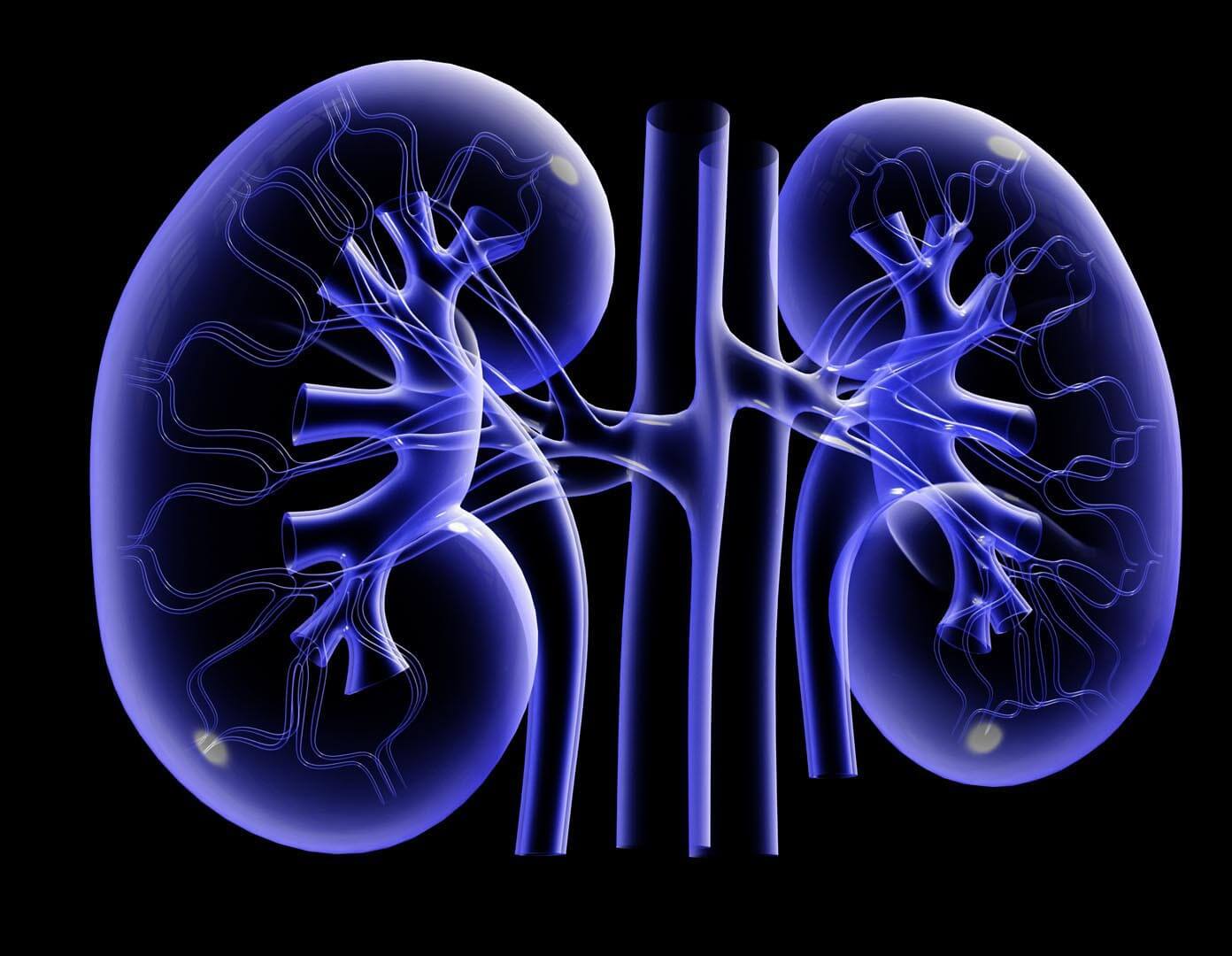 |
Courtesy: hdwallpapersfreedownload.com
|
- Regulation of blood pressure. Besides regulating our blood pressure through the blood voloume, our kidneys also regulate our pressure because of a certain protein it produces known as renin. Increased renin increases our blood pressure.
- Regulation of the acidity or alkalinity of our blood. This is also through the filtering process. Our blood contains hydrogen as well as bicarbonate, both of these contribute to the acidity or alkalinity of our blood stream respectively.
- Hormone production. Did you know our kidneys produce hormones? If you didn't well, now you do. The kidney is indeed a multi-tasker. It produces two hormones, the first is pronounced cal-see-tree-ol. The second hormone the kidney produces is pronounced eri-throw-po-yetin.
Erythropoietin (eri-throw-po-yetin) helps us produce red blood cells. Yes! The kidney is what helps us produce those red blood cells. Care your kidney, care your blood.

- Regulation of Glucose Levels The kidneys can also regulate the sugar levels in the blood, as they are able to generate glucose and release that into the blood to help contribute to a normal glucose level.
Last but not least, this task of our kidneys is pretty well known, and is commonly spoken of more than some of those listed here.
- Waste excretion Our kidneys get rid of waste products in our blood stream that can harm us, or are no longer useful for our body's upkeep. These are found in our urine, you may have heard of ammonia, others include toxins from our environment, drugs, and even from our diet.
That's all for now folks. Look out for part 2 as we look at the structure of our kidneys.
Stay #wadadlianstrong, and share this article about kidney function!
Blessings to you and yours.


©March 2018
