





What are the warning signs of breast cancer?
Do you remember? I f you don't check out the last post here.
I believe we all know someone who is suffering from, suffered from, or passed away because of this disease, it maybe a friend or a friend of a friend, or for some of us, much closer to home...
Have you ever wondered what factors may make some persons more vulnerable to breast cancer?
Well, you're about to find out, since this post is all about the risk factors of breast cancer.
RISK FACTORS OF BREAST CANCER

To make these risk factors easier to understand let's sort them into those you cannot control, and those risk factors that are related to your lifestyle and for the most part are controllable.
RISK FACTORS YOU CANNOT CONTROL
Age

There is an increased risk of developing breast cancer as your age increases. According to the American Cancer Society, two in three women over 55 years have been found to have invasive breast cancer.
Sex

Just being a female is a risk factor. Females tend to higher levels of oestrogen and progesterone which contribute to cancerous cell growth.
Age of First and Last Menstruation
Women who menstruate earlier and start menopause later are at risk. To be more specific, women who began their first period before the age of twelve and women who begin menopause after age fifty-five or later are at risk.
- Family History and Family Genetics

courtesy curlynikki.com
Chances are your risk of having breast cancer is higher, if other persons in your family also have had or have the disease. If your mother or sister has had breast cancer your risk is doubled, if both have had it your risk increases.
There are also gene mutations that also play a role in the manifestation of breast cancer, recently the most popularized has been the BRCA gene which is most commonly linked to person with Eastern European Jewish heritage, but there are many others.
Ethnicity and Race
Faith by Annelie Solis

There are many studies as far as race and ethnicity is concerned in America, but as far as our region is concerned not as many. However, I did find a study by the Barbados National Cancer Study Group in 2009 where the authors explain:
"Comparisons of breast cancer incidence across the African diaspora demonstrate a gradient, with rates being lowest in West Africa, higher in the Caribbean and highest among African-Americans."It would be excellent to have a study comoparing the incidence in not only Afro-Caribbean peoples but those of Indian, Chinese, Syrians, and European descent in our region.
Breast Cancer History

If you are a breast cancer survivor, you are still at risk for re-developing breast cancer in another part of the affected breast or in the other breast. Always keep following up with your health care professional, and continue self-checks. Never forget that early detection increases survival rates.
RISK FACTORS RELATED TO LIFESTYLE
Alcohol Use

Alcohol use is directly linked with breast cancer risk. Increased consumption increases risk. Some studies suggest it may be related to the increase oestrogen levels that alcohol causes in the body. Read more here.
Birth Control Use
/about/birth-control-pills-56a68a0b3df78cf7728ee026.jpg)
courtesy verwell.com
Women who use birth control pills have been proven to have an increased risk of breast cancer, however this risk decreases when its use is discontinued. All women who plan on using birth control pills as a contraceptive method ought to have a detailed discussion with their health care providers about the risks relating to breast cancer.
Age of Childbirth
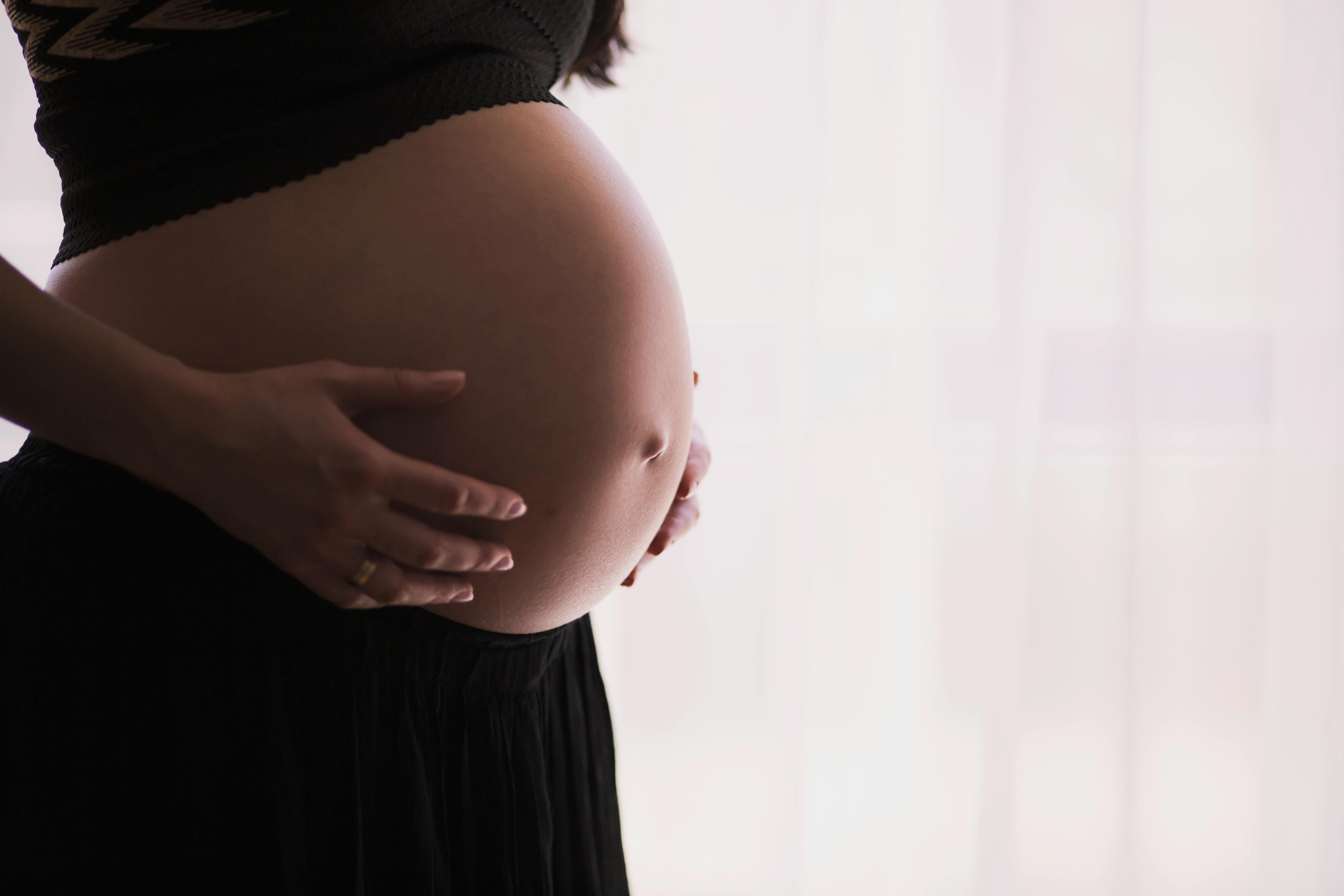
Women who give birth after the age of 30 have increased risk of developing breast cancer as opposed to women who give birth at an earlier age. However in certain instances being pregnant can increase the risk of breast cancer.
Breast feeding

courtesy rmchildren.org
Breastfeeding has been proven to reduce the risk of breast cancer by 5 to 10 percent, especially in women who continue to do so between 1- 2 years. Read more here.
Physical Activity

courtesy playbuzz.com
Physical activity is now being shown to play a factor in decreasing the risk of breast cancer. While persons with sedentary lifestyles, and persons who suffer from obesity have increased risk of developing the disease.

courtesy pinterest.com
You must remember, that it is possible for a person to have one or more of these risk factors without ever confronting this disease, whereas another person may have little or no risk factors, and develop breast cancer. Risk factors are not a death sentence, but rather indicators of the potential one has to present with the disease.
Read other articles about breast cancer risk factors below:
*Remember if you haven't had a mammogram and you are age 40 and above it would be wise to do so. Of course if you have a strong presence of breast cancer in your family it would be even wiser to begin screening earlier.*
What about men though?
When addressing breast cancer we usually focus on women, but the fact of the matter is... men also suffer from the disease.
Look out for the next post where we'll talk a bit about men and breast cancer as a special topic.
Remember to share this with a friend or family member who may not know these risk factors.

Stay #wadadlianstrong
Blessings to you and yours,

© October 2015
