





For a review of Part I click here.
In Part II, we'll have a look at the complications of pre-eclampsia, for both mother and baby, as well as treatment, and prevention.

courtesy www.clipartbest.com
COMPLICATIONS
Maternal Complications
SEIZURES
For women suffering from preeclampsia, any type of convulsive activity or fit that she suffers after 20 weeks gestation or immediately after giving birth is known by the name of Eclampsia.
When suffering an eclamptic seizure, the mom-to-be may suffer involuntary repetitive, jerky movements of the arms and legs, or may have facial twitching.
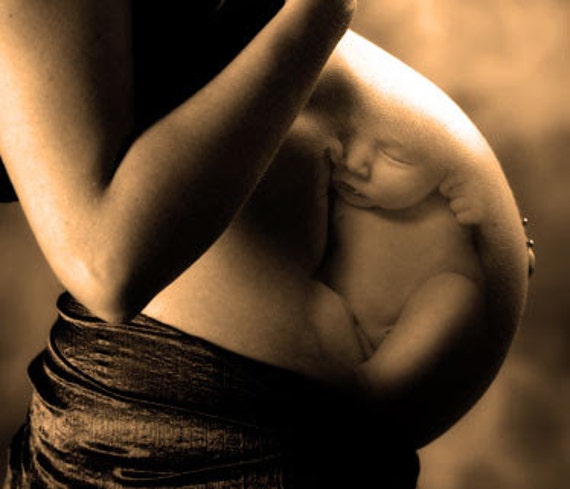

When suffering an eclamptic seizure, the mom-to-be may suffer involuntary repetitive, jerky movements of the arms and legs, or may have facial twitching.
STROKE
High blood pressure can cause a brain injury, due to an interruption
of blood supply to the brain.
PULMONARY OEDEMA
In this complication fluid builds up inside of the lungs, preventing them from receiving oxygen and functioning properly.
KIDNEY FAILURE
Hypertension can cause more pressure on the kidneys of pregnant
women, and the damage it causes allows to kidney to be unable to filter the
toxins out of the body, which causes an increase of toxicity in the blood and
body.
CLOTTING DISORDERS
This complication can cause an increase in blood clot formation
within the mother´s body, or can cause excessive bleeding because the blood
clotting system begins to fail.
HELLP SYNDROME
This is a complication that is characterized by:
1) Destruction of the mother's red blood cells, known by the term hemolysis.
2) An increase in the amount of certain liver proteins known as enzymes.
3) A decrease in one of the blood elements responsible for clotting known as platelets.
To read about more maternal complications, click here ....
courtesy www.etsy.com
Fetal Complications
Fetal complications stem from a decrease in blood flow to the uterus, the placenta is thus deprived of oxygen and nutrients essential to the baby's growth and development, as a result the baby can suffer:
- Intrauterine Growth Restriction in which the baby does not grow as it should according to its age in weeks. As a result after birth the baby may be smaller than it should be.
- Lack of oxygen while inside the uterus also known as Intrauterine asphyxia.
- Prematurity, or being born before it is full term, that is, 37 weeks.
- Respiratory Problems after being born (Neonatal Asphyxia).
- Intrauterine Fetal Death.

courtesy www.cen.acs.org
TREATMENT
The optimum treatment of pre-eclampsia is induction of labour. However, the manner in which this is done is very much dependent on the severity of the pre-eclaampsia, the number of weeks the pregnancy currently has progressed to, and how the baby is doing.
Possible treatment include used of blood pressure medication such as, methyldopa, nifedipine or labetalol
Methyldopa or Aldomet is the treatment of choice in pregnancy and functions by relaxing blood vessels, reducing the pressure of the blood inside them, ensuring that the blood can circulate more efficiently around the body.
To understand how Nifedipine or Adalat works, read about Calcium Channel Blockers in the last section of the blog post from March: So You Already Suffer from High Blood Pressure Pt I...
To understand how Labetalol functions, read about Beta-Adrenoceptor Antagonists in the last section of the blog post from April: So You Already Suffer from High Blood Pressure Pt II...

courtesy heart.org
PREVENTION
How can pre-eclampsia be prevented? Can it be?
It cannot be totally prevented. However, the risk or suffering from it during pregnancy can be reduced through the following ways:
1) Be aware of the risk factors that are present in your life.
2) Know the symptoms to look out for.
To read about risk factors and symptoms of pre-eclampsia read the first part of the blog post, A Special Look at Hypertension and Pregnancy Part I
3) Make certain that all antenatal appointments are attended.
Never underestimate the value of the blood pressure checks, the blood and urine investigations done,the weight checks, as well as the constant focus on the growth and development of your baby.
The more antenatal clinic appointments attended the quicker any risk of developing pre-eclampsia will be detected. In Wadadli antenatal care is free, and thus ought to be taken advantage of.
It is a privilege that many women on this planet do not have.
4) For women who have high risk of suffering from pre-eclampsia, low dose aspirin or calcium supplementation may be prescribed, to lower its appearance as well as its complications.
Pre-eclampsia is one variant of different categories of high-blood pressure related illnesses during pregnancy, to read more about the other variations click here.
You can also read more here.
With this we've ended not only our look at hypertension in pregnancy but our discussion about hypertension in general as a sickness that affects our Wadadlian population.
High blood pressure ought not to be played with whether pregnant or not, whether old or whether young. It is dark portal that leads to a pathway of other diseases and complications that will without doubt affect your daily life.
Hopefully through these posts you are now able to identify any risk factors present in your life or that of your loved ones, and most importantly be able to share you knowledge with someone who you know may be at risk.
Rememba wa dem say, "Prevenshan betta dan cyur"

#Wadadlianstrong
Blessings to you and yours,


© June 2014
